Better sleep, better recovery – the sleep habits of professional athletes
Sleep is the invisible training partner that many underestimate. While you sleep, your body is working at full capacity: muscles are repaired, hormones are regulated, and the immune system is strengthened. For competitive athletes, sleep is not a luxury; it's an essential part of training.

Why sleep is crucial for athletes
During intensive training phases or competitions, the need for sleep is significantly higher. Studies show that even one night with less than 6 hours of sleep can noticeably reduce reaction time, precision, and maximum strength. Professional athletes know this – and treat their sleep like a training session.
How athletes optimize their sleep
-
Regular rhythm: Consistent sleep times stabilize the hormone balance and improve deep sleep phases.
-
Cool room temperature: 17–19 °C is considered optimal for regeneration and heart rate variability.
-
Tech detox: Blue light inhibits melatonin production – professionals avoid screens 60 minutes before sleep.
-
Nutrition & Timing: Avoid heavy meals or alcohol before bed; instead, consume magnesium-rich foods and plenty of fluids.
-
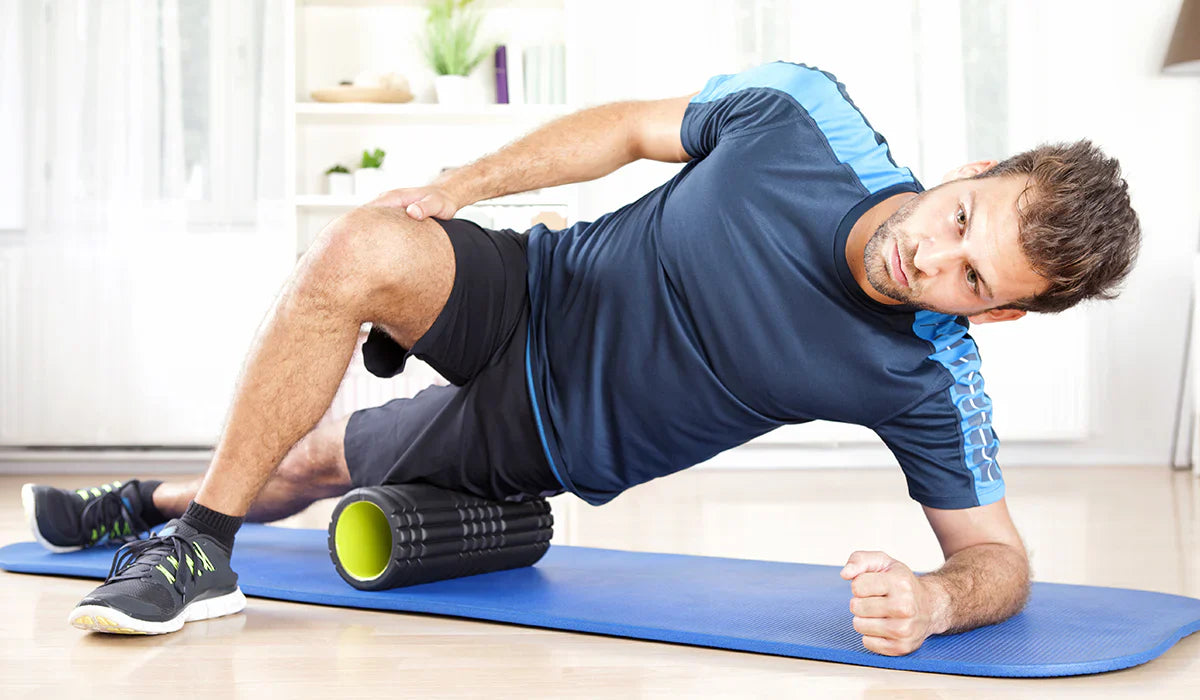
Recovery tools: Many athletes use targeted muscle stimulation, massage guns, or breathing exercises before sleep to calm the nervous system.
What really happens during sleep
During deep sleep, the body releases growth hormones – especially human growth hormone (HGH) , which is essential for muscle building and cell repair.
In addition, cortisol levels (stress hormone) decrease, while testosterone and melatonin levels increase, a combination that accelerates regeneration and inhibits inflammatory processes.
Sleep therefore affects not only how quickly muscles recover, but also how efficiently the central nervous system (CNS) functions. An unrested CNS means slower reaction times, imprecise movements, and an increased risk of injury. Every athlete's nightmare.
How to adopt the sleep routines of the pros
-
Create an evening ritual. 10–15 minutes of mobility exercises or gentle massage with the ChiroGun – focus on relaxation, not intensity.
-
Plan your sleep like you would your workouts. Consciously schedule your bedtime into your day – routine brings consistency.
-
Use recovery triggers. Soft light, calming music, or breathing exercises signal to the body: It's time to regenerate.
-
Track your data. Use wearables or apps to track sleep quality, deep sleep duration, and heart rate variability (HRV); small adjustments can lead to big improvements.
Conclusion
Those who train for top performance must also regenerate at a top level.
Sleep isn't passive relaxation, but active, high-tech training for body and mind. Invest in your recovery as consistently as you invest in your workouts; your body, your focus, and your performance will feel the difference.